
Sewer Line Warning Signs Homeowners Often Miss
If you’re like most homeowners in Lafayette, you expect wastewater to leave your home without a second thought. When it doesn’t, subtle clues often pop up long before a messy backup, and those clues point to the need for sewer line repair in Lafayette. Understanding the signals and responding quickly can help protect your home, yard, and peace of mind.
Below, you’ll learn what to watch for, why it happens in our part of Louisiana, and how pros confirm what’s going on beneath your lawn. If any sign sounds familiar, connect with our sewer line repair & replacement specialists so the issue doesn’t snowball into a bigger headache.
Slow, Gurgling, or All-At-Once Drains
One slow sink is annoying. Several slow fixtures at the same time are different. When tubs, showers, and sinks all drain poorly, or you hear gurgling after flushing, the restriction is often in the main sewer line, not in a single branch. In many Lafayette homes, the main line runs toward the street or a septic connection, and a partial blockage there will make multiple fixtures act up at once.
- Recurring slow drains across more than one room
- Gurgling or bubbling sounds in nearby fixtures after a flush
- Air bursts from a sink or tub drain when a toilet is used
Multiple fixtures acting up at the same time is a red flag for a main line problem, not a simple clog. Ignoring this sign can allow minor obstructions to harden or spread until wastewater has nowhere to go.
Sewage Odors Indoors or in the Yard
That rotten-egg or musty sewer smell isn’t just unpleasant. It points to venting problems, a cracked pipe, or a line that’s holding sewage it should be carrying away. When odors linger near floor drains, baseboards, or low spots in the yard, it can indicate a break or offset joint in the main line. In our humid climate, odors hang in the air longer, so what seems like a “faint whiff” can be a sign of a bigger issue.
If you notice odors during or right after showers, laundry, or dishwashing cycles, the system may be building pressure and pushing sewer gas past water seals. That’s a sign to call a pro, not to mask the smell.
Wet Spots, Sunken Patches, or Extra-Green Grass
Look for soggy areas that never dry, dips in the lawn, or strips of grass that are brighter than the rest. A leaking sewer line acts like an underground soaker hose, softening soil and feeding plants. Around Lafayette’s clay and silty soils, a long wet stretch can cause the ground to settle, creating low spots along the path of the pipe.
After a heavy afternoon storm or a week of rain, things may look greener all over. But if one band along the driveway or fence line stays lush and damp while everything else dries out, the line in that area may be cracked or separated.
Toilet Troubles That Aren’t About The Toilet
When a toilet burps, bubbles, or the water level shifts for no clear reason, the main line may be struggling to vent or drain. If plunging works for a day, then the problem returns; the blockage could be downstream. The same goes for frequent clogs in several toilets. The fixture is doing its job, but the line beyond it isn’t.
Another clue: flushing one bathroom causes water to rise in a shower or tub in a different part of the house. That cross-communication between fixtures means wastewater is finding resistance and backing up through the nearest open path.
Backups After Rainstorms or Laundry Day
We all know how Lafayette can get during summer storms and the tail-end of hurricane season. When rain saturates the soil, groundwater can infiltrate weak points in an older sewer line, and the sudden extra volume reveals any restriction inside the pipe. The same thing happens during laundry marathons or big family weekends. If backups show up right after these heavy-use moments, the main line is likely undersized by condition rather than by diameter.
Want a deeper dive on what pushes drains over the edge? Check out this readable piece on professional drain cleaning explained to see how persistent blockages form and how pros clear them without guesswork.
What Usually Causes These Problems in Lafayette
Sewer issues here often trace back to a few usual suspects. Mature live oaks and other trees send fine roots toward any moisture source. Once they find a hairline crack or loose joint, they weave together and act like a net. Older homes may have clay or cast-iron lines that can shift, rust, or separate over time. Grease, wipes labeled “flushable,” and construction debris can also build layers that narrow the line until flow slows to a crawl.
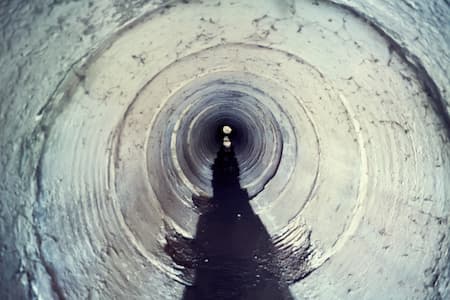
To confirm the cause, professionals use a sewer camera inspection that shows the exact location and type of problem. From there, the path is clear: targeted sewer repairs for isolated breaks or bellies, or full sewer line replacement when the pipe is too damaged to hold a long-term fix.
Why Acting Early Saves Headaches
Early action protects flooring, drywall, and landscaping, and it preserves the pipe itself. Small cracks become root magnets. Small bellies collect grease and grit until they become traps. The earlier a technician sees what’s happening, the more likely a simple repair will stop the cycle before it turns into repeated backups or sanitation risks.
- Protect indoor finishes from wastewater exposure
- Prevent lawn settlement and hard-to-fix landscape damage
- Reduce the chance of repeat blockages or extended downtime
If you’re noticing more than one sign, don’t wait for a full backup. Calling sooner rather than later reduces stress and helps avoid bigger disruptions to your routine.
How Pros Confirm the Problem
Good diagnosis starts with listening to your experience and mapping your home’s layout. Next comes video inspection to look inside the line, identify root intrusion, cracks, scale, or offsets, and record footage for clarity. Technicians may also test flow by running fixtures in a controlled way to see where water slows down. No digging should happen until the problem and its location are clear.
Once the facts are known, solutions are matched to the condition of your line and the property’s layout, so repairs are precise rather than disruptive.
When Repair Makes Sense vs. When Replacement Is Smarter
It’s natural to hope for a quick fix, and sometimes that’s the right call. Spot sewer repairs can seal a single crack, re-line a small section, or remove a root intrusion that hasn’t destroyed the pipe wall. When the camera reveals repeated failures, long runs of corrosion, or a severely bellied section that traps solids after every wash, replacement prevents a cycle of service calls.
In either case, your technician should explain the footage, mark the line’s path, and outline a plan that fits your property. The right choice keeps wastewater flowing reliably through storms, family gatherings, and everyday life.
Your Next Step
If you recognize any of these warning signs, set up an evaluation with a licensed team that works in our neighborhoods every day. A quick visit can determine whether you’re looking at a simple fix or a more durable upgrade, and you’ll get a clear path forward. For a smooth process from diagnosis to final cleanup, schedule time with our sewer line repair & replacement team and safeguard your home’s wastewater system.
When you want an experienced partner for everything plumbing, connect with a trusted local plumber who knows Lafayette homes inside and out.
Ready to stop the slow drains, odors, or wet spots from getting worse? Call Michael B Plumbing at 337-426-9926 for a prompt evaluation and clear plan.